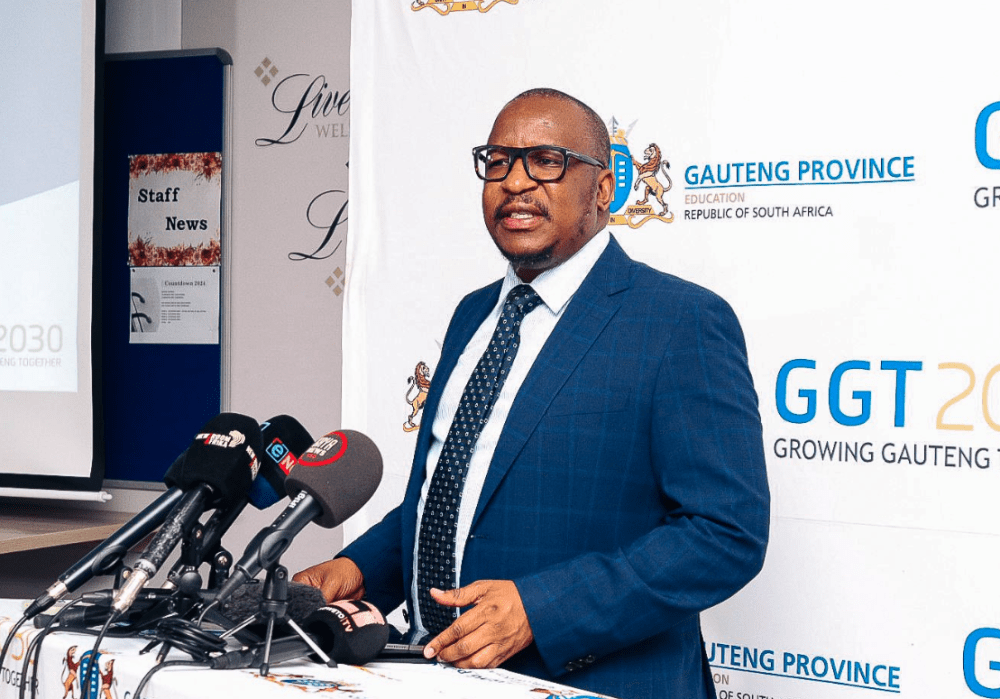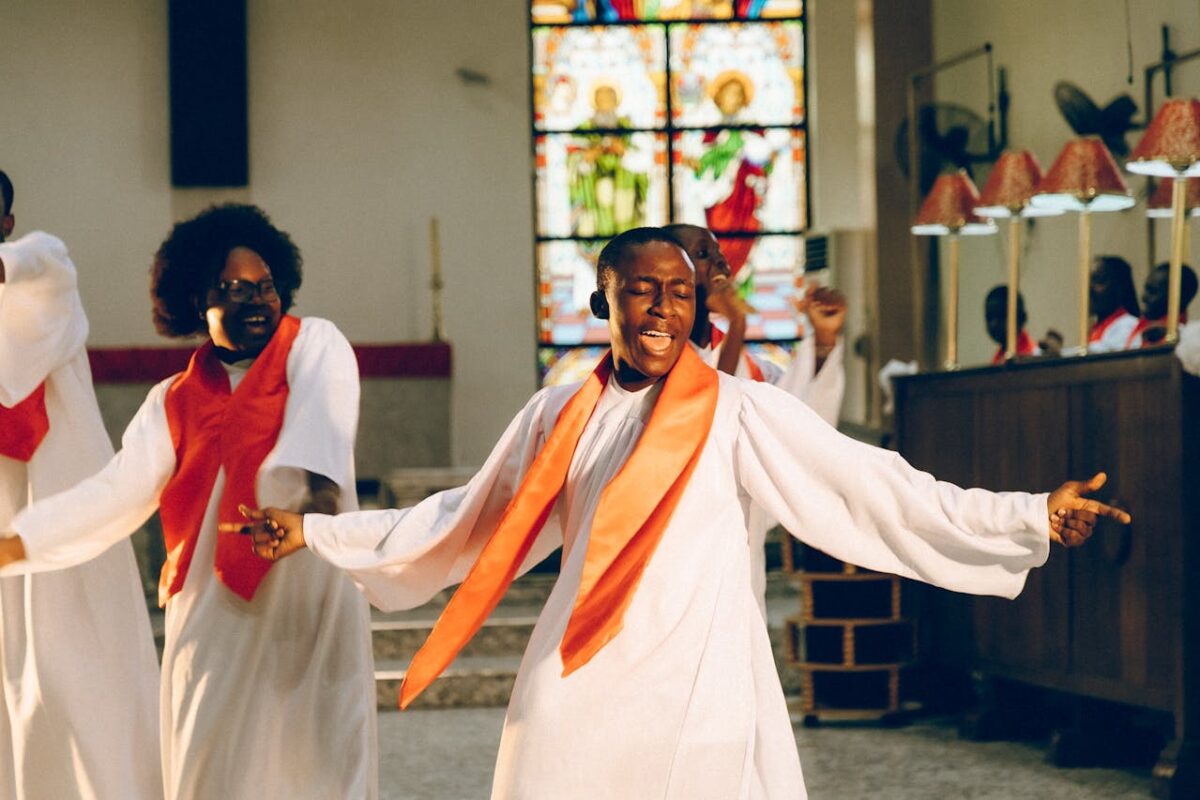
Growing up in South Africa in the 90s, faith wasn’t something you chose—it was part of your identity. From baby baptism to Sunday school, youth services to Easter plays, being part of a church was like being part of a family. You were taught that going to church wasn’t just good—it was everything. Knowing the Word of God, learning to pray, memorising scripture, singing in the youth choir—these were all seen as signs that you were growing up “right.”
Even schools echoed this religious foundation. Biblical Studies was a subject like any other, and school assemblies often started and ended with prayer. Mondays and Fridays especially were reserved for hymns and Bible readings—sometimes a local pastor would be invited to speak. It was all so deeply ingrained in us that for many, questioning religion felt like questioning your very existence.
But with time comes thought—and with thought, comes doubt.
By the time we reached our late teens or early twenties, many of us began to think differently. Some continued going to church—faithfully, religiously. Thursday intercessions, Friday night vigils, Saturday youth services, Sunday morning sermons. Church became a second home. For others, a shift began. A quiet drifting away. Some said they didn’t stop believing in God, they just stopped believing in people. The structure. The manipulation. The pressure. The guilt.
“I haven’t been to church in over five years,” says Bongi, a 31-year-old from Evaton. “I still pray. I still believe in God. But I don’t trust pastors anymore. I can’t tell you how many times I’ve seen people’s pain being exploited for offerings. It’s heartbreaking.”
This kind of disillusionment isn’t isolated. The rise of celebrity pastors in South Africa has sparked both fascination and fury. Names like Shepherd Bushiri and Paseka “Mboro” Motsoeneng have become synonymous not only with controversial miracles and flashy lifestyles but also with legal battles and media scandals.
Bushiri, the self-proclaimed prophet and founder of the Enlightened Christian Gathering (ECG), drew massive crowds and amassed a huge following across Africa. His sermons were filled with promises of deliverance and prosperity—but they were also followed by arrests, charges of fraud and money laundering, and an international manhunt after he fled South Africa while out on bail.
Then there’s Mboro—famous for his unorthodox sermons and miraculous claims, including an alleged trip to heaven (with selfies to prove it). Mboro has been in and out of headlines for years—accusations ranging from exploiting congregants to charging money for miracles.
And yet, both men still have followers. Loyal ones. People who believe in them with unshakable faith.
“I was healed when I went to ECG,” says Thabiso, a 44-year-old man fromRefengkgotso in Deneysville. “I had been sick for years. The doctors couldn’t help me. But Bushiri prayed for me. I don’t care what the media says. That man changed my life.”
This is the tension many South Africans live with—faith that comforts, but also questions that won’t go away.
Church, for some, is a scam. For others, it’s salvation.
“You don’t throw the whole pot away because of one burnt meal,” says Gogo Nomsa, a 67-year-old elder from Zamdela. “Church is where I found peace. Yes, there are crooks pretending to be men of God, but there are also real ones. The problem is we focus too much on pastors instead of on God.”
And she has a point. Perhaps the issue isn’t faith itself, but the people who have positioned themselves as gatekeepers of it.
Many young people have shifted towards what they call “spirituality” rather than religion. Less about structure, more about connection. Less about fear of sin, more about alignment. They burn incense, speak with ancestors, meditate, and build their own rituals that feel authentic to them.
“It’s not that I stopped believing,” says Lerato, a 28-year-old government employee. “It’s just that church started to feel like a performance. Everyone’s dressed up, shouting ‘Amen,’ but then judging each other behind closed doors. I needed something real. I started reconnecting with my roots, with African spirituality. And honestly? I’ve never felt closer to God.”
Church, faith, and religion mean different things to different people. For some, it’s tradition. For others, it’s trauma. For many, it’s both. It’s a Cash-22—because for every person whose life was ruined by a corrupt pastor, there’s someone else who was saved by a sermon, who found purpose through prayer.
What’s clear is that South Africans are still deeply spiritual people. The questions have changed, the forms of worship have evolved, but the hunger for connection—with something higher, deeper, sacred—is still there.
Whether in a cathedral, under a tree, in a bedroom, or among ancestors, the search continues. And perhaps that’s what faith truly is—not the certainty, not the tradition, but the journey itself.
- Why Do Some Women Undress on Social Media? Freedom, Loneliness, or the Attention Economy?

- “Snip, Shame & Sense: Why Circumcision Still Shapes Masculinity — From the Mountains to the Modern Bedroom”
- OPINION | Matome Chiloane Is the Best Education MEC South Africa Has Right Now
- It’s Dezember, and in South Ah, Even Relationships Go On “Vacation”

- South Africa’s Matric Pass-Mark Debate: 30% vs 50% — Why Everyone Is Watching