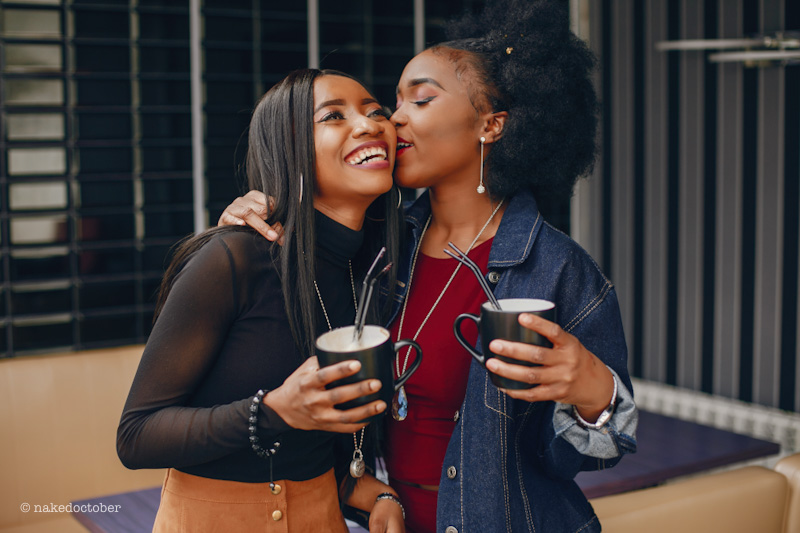
In any relationship—whether romantic, familial, or friendship-based—communication is often cited as the key to success. Yet, many people mistake communication for mere conversation, reducing it to casual chit-chat about their day, social gossip, or surface-level exchanges. True communication, however, goes far deeper than just talking. It involves understanding, listening, expressing emotions effectively, and being receptive to your partner’s thoughts and feelings.
Talking is simply the act of exchanging words, but communication is about making a meaningful connection. Communication involves:
Active Listening – Not just hearing but truly understanding what the other person is saying.
Emotional Expression – Being open about feelings, desires, and fears in a way that fosters trust and intimacy.
Conflict Resolution – Addressing misunderstandings constructively rather than letting them escalate.
Non-Verbal Cues – Body language, eye contact, and tone of voice play a crucial role in conveying emotions.
Feedback and Clarity – Ensuring that messages are understood as intended.
Different people have different perspectives on what communication means in a relationship. We spoke to a few individuals to get their take:
Tebogo, 28, Entrepreneur: “I used to think that as long as my partner and I talked every day, our communication was solid. But I realized that we weren’t really addressing important matters—we were just talking for the sake of talking.”
Lerato, 32, Teacher: “For me, communication means feeling heard and understood. There’s no point in talking if my partner doesn’t actually listen or acknowledge my feelings.”
Sihle, 25, Student: “Non-verbal communication is just as important. My girlfriend and I can tell when something’s wrong just by each other’s expressions. That’s real communication.”
We reached out to Thandi Mthembu, a certified relationship coach, for her professional insight on the matter. She explains:
“Many couples come to me saying they have ‘communication problems,’ but what they really have is a lack of understanding. They talk but don’t listen, they express but don’t empathize. True communication is a two-way process. It requires vulnerability, patience, and the willingness to see things from your partner’s perspective. The best advice I can give is to practice intentional listening—don’t just wait for your turn to speak, but actually absorb what the other person is saying.”
If you want to improve communication in your relationship, here are some practical tips:
Practice Active Listening – Make eye contact, nod in understanding, and avoid interrupting.
Ask Open-Ended Questions – Instead of ‘Did you have a good day?’, ask ‘How did your day make you feel?’
Express Yourself Clearly – Don’t expect your partner to ‘just know’ what’s wrong. Speak your feelings honestly.
Be Patient and Open-Minded – Give your partner space to express themselves without fear of judgment.
Check for Understanding – Summarize what your partner says to ensure clarity and avoid misinterpretations.
Utilize Non-Verbal Communication – Pay attention to gestures, tone, and facial expressions.
Effective communication is more than just words—it’s about connection, understanding, and emotional exchange. When couples and friends learn to communicate beyond small talk, they foster stronger, healthier, and more fulfilling relationships. So next time you talk to your partner, ask yourself: Are we truly communicating, or are we just talking?