South Africa’s political skies have just darkened — and what’s unfolding at Parliament’s Ad Hoc Committee probing KwaZulu-Natal Police Commissioner Nhlanhla Mkhwanazi could reshape the entire justice and security narrative in 2025.
If you thought this was just another probe, think again. What’s been revealed is raw, audacious — and potentially game-changing.
The Stage: Ad Hoc Committee, Judiciary Pressure, Public Consequence
First, some context (you don’t want to be behind on this).
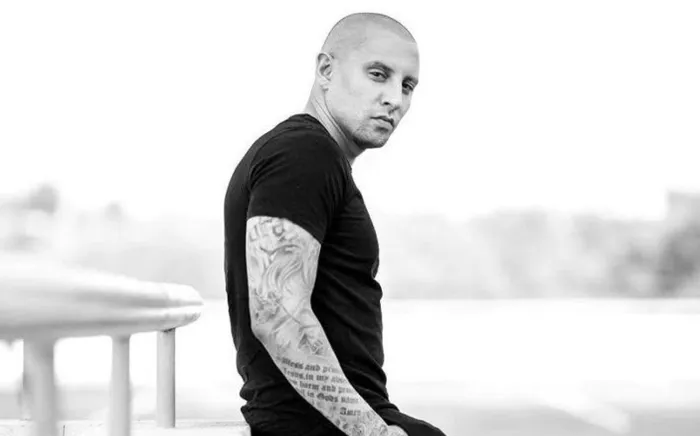
In July 2025, Mkhwanazi went public with serious allegations: political interference, senior police complicity, and a deeper rot tying criminals and state actors.
In response, President Ramaphosa instituted the Madlanga Commission — Judicial Inquiry into Criminality, Political Interference, and Corruption in the Criminal Justice System — with hearings starting 17 September 2025.
Parliament’s own Ad Hoc Committee was formed to parallel that judicial inquiry, to scrutinize Mkhwanazi’s claims from a legislative oversight angle.
The Ad Hoc Committee is slated to wrap up by 31 October 2025.
And that’s where things have suddenly turned electric.
The Revelations: Mkhwanazi Speaks — And It’s Explosive
Over the past few days, Mkhwanazi has not held back. He’s submitted sworn written testimonies, presented documents, and named high-stakes players. Here’s what has surged to the surface:
- Political interference at the highest levels
Mkhwanazi claims that Minister of Police Senzo Mchunu intervened directly, ordering the disbandment of the Political Killings Task Team — a unit that had been investigating politically motivated murders. He asserts that the decision was not driven by operational necessity, but to shield powerful actors. - Docket removals: the “121 dossiers” saga
One of the most incendiary parts of his claims: Mkhwanazi implicates Deputy National Commissioner Shadrack Sibiya in instructing the removal of 121 case dockets connected to organized crime and political assassinations. The relocation or disappearance of these files, if proven, is not just administrative negligence — it hints at deep collusion. - The “Big Five” cartel emerges
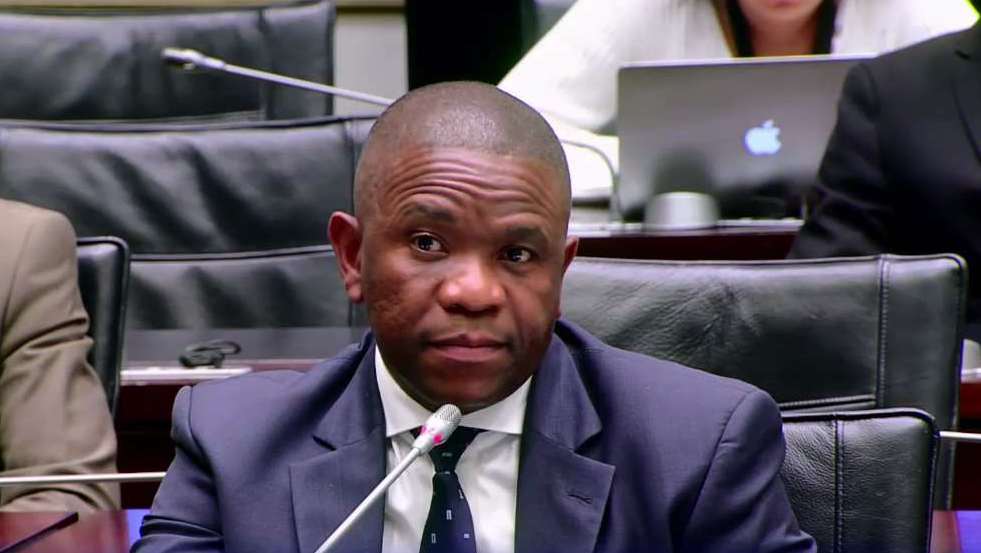
In follow-up testimony (not by Mkhwanazi, but in the same inquiry) Crime Intelligence boss Dumisani Khumalo exposed a syndicate dubbed the “Big Five”. This cartel, allegedly operating out of Gauteng, is accused of high-level corruption, tender fraud, drug trafficking, contract killings, even infiltrating state structures.
Khumalo’s testimony includes details of communication trails, payments, and connections between criminal operatives and public officials.
- Confirmations from SAPS leadership
Even more striking: National SAPS Commissioner Fannie Masemola appeared before the Commission and essentially corroborated core parts of Mkhwanazi’s narrative — especially around the disbandment of key investigative units and institutional interference.
That’s a major shift: when the head of police tacitly backs the whistleblower, the cloak of “he said / she said” begins to unravel.
What’s at Stake — And Why Everyone Must Watch
This isn’t just about scandals. The stakes are systemic.
Trust in law enforcement is crumbling. If police, prosecutors, and political actors collude to bury investigations, ordinary citizens bear the brunt.
Political accountability mechanisms are being stress-tested. Will Parliament flex real oversight power — or become a showpiece?
Judicial independence under threat. The line between politics and justice must remain sacrosanct — these revelations show attempts to erase that boundary.
Real reforms or symbolic gestures? The public will watch if names are punished, institutions restructured, or if it all ends in “report filed.”
For South Africa in 2025, this is more than a headline. It may define whether the state is truly capable of policing itself.
What Happens Next — And How You Stay in the Loop
Mkhwanazi is expected to testify first before the Ad Hoc Committee.
The Terms of Reference for the Committee have been finalized: witnesses must submit sworn written statements, whistleblower protections are mandated, and external legal support is being enlisted.
Parallel is the Madlanga Commission’s courtroom hearings, which continue to unpack deeper systemic rot.
The Committee aims to release its final report by October 2025.
How you keep up:
Follow live updates from Parliament and the Madlanga Commission.
Watch for leaked documents, testimony transcripts, and legal filings.
Watch for counterclaims, pushbacks, or attempts to discredit Mkhwanazi or witnesses.
Keep an eye on how political parties respond — whether they back accountability or circle the wagons.