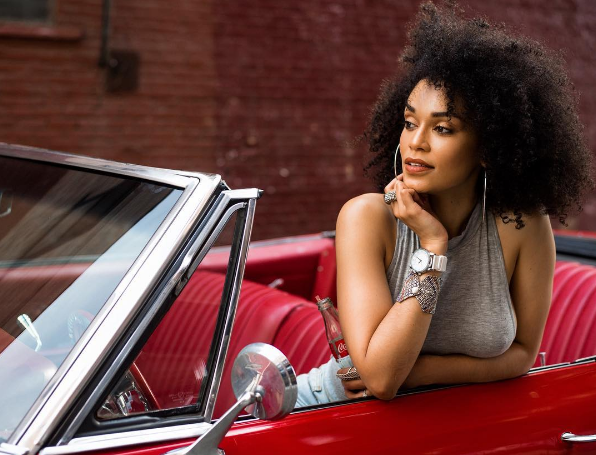
South African artist and activist Simphiwe Dana lit the timeline on X (formerly Twitter) when she publicly accused Shaka iLembe executive producer Nomzamo Mbatha of copying her signature hairstyle for the show without credit. The blunt accusation sparked a viral wildfire online, with many netizens diving headfirst into history books, and memes.
In her now-infamous tweet, Dana was upset that the highly-rated show supposedly “borrowed” her Afro hairstyle, a component of her artistic signature, and put it on Nomzamo’s character without so much as a whisper of tribute to her influence.
But the internet did what the internet does best: it pulled receipts out of the past. Literally.
Social media users began flooding the platform with old photographs of West African Fulani women, pre-colonial African queens and common women from centuries ago, some of them sporting the same or eerily similar versions of hairstyles Simphiwe Dana allegedly invented.
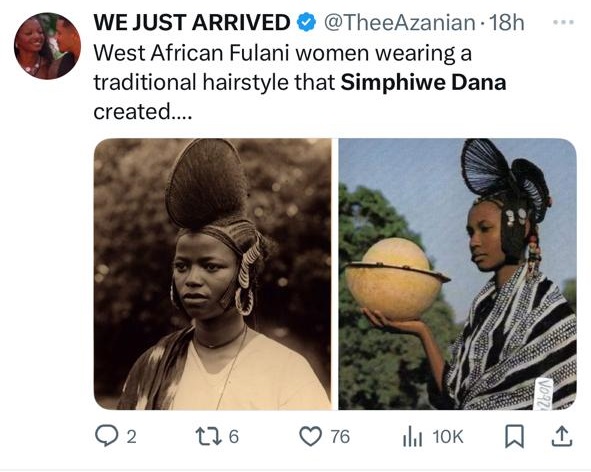
A cheeky post had this to say:
“West African Fulani women with a traditional hairstyle that Simphiwe Dana designed… in 2025. Clearly time travel exists.”
Another person, Nyemudzai, struck back with a series of vintage African women in the Dana’s purported style, and posed:
“When you borrowed these looks, did you give credit? Should we say that you have a ‘lack of creative thinking’ too?”
The sarcasm just kept on rolling. In one of the posts that had X users in stitches, Empress of Zululand had posted:
Someone bring these gorgeous African queens back to life this minute! How could they die without thanking @simphiwedana for the inspiration!
Despite the criticism, Dana remains supported by fans who believe if the styles originated in Africa, then her particular interpretation and re-creation of them in the context of a modern, artistic framework should be appreciated. But the overall reaction was towards a common African hair memory, passed down generations before Instagram or studio lights.
One user summarized it nicely:
“Sis, if you’re gonna sue for cultural appropriation, you betta start with our great-great-grandmothers too. They obviously copied your style, in the 1600s.”