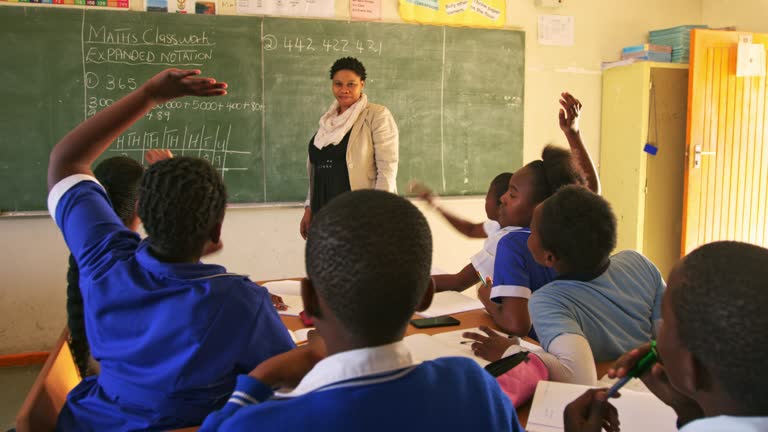
In South Africa’s townships, teachers are more than just educators — they’re counsellors, parents, social workers, and sometimes even peacekeepers. Every day, they face classrooms filled with energy, potential, and also deep challenges. The emotional load they carry is heavy, and for many, it’s becoming too much to bear.
Dr Marelize Vergottini, a senior lecturer in Social Work at North-West University (NWU), warns that the emotional well-being of South Africa’s teachers — especially those in under-resourced communities — is in crisis. And if we don’t address it soon, both our teachers and our children will pay the price.
Teaching in the Townships: A Tough Calling
Teaching has always been described as a “calling”, but for many township educators, that calling comes with sacrifice. They work long hours under difficult conditions — overcrowded classrooms, lack of resources, and often unsafe school environments.
In many township schools, teachers teach more than 50 or even 70 learners at once. Some classes are so full that children share desks, and teachers struggle to move around. Imagine trying to give every learner attention, mark books, and keep discipline in such chaos. It’s emotionally draining, and for many, the stress never ends.
Too Much Work, Too Little Support
Teachers are not only expected to teach — they must plan lessons, assess learners, deal with disciplinary issues, attend parent meetings, and complete piles of administrative paperwork for the Department of Education.
Even after the school bell rings, many teachers are still working — marking scripts at home or catching up on reports instead of resting or spending time with their families. For some, this constant pressure leads to burnout, anxiety, and even depression.
Inclusive Education Without the Tools
South Africa’s policy of inclusive education — which aims to accommodate all learners, including those with learning barriers and disabilities — sounds good on paper. But in reality, many township teachers don’t get the training or support to handle such complex classrooms.
With no teacher aides, limited specialist support, and few resources, educators are left to figure it out on their own. This creates feelings of helplessness and frustration, especially when learners need more attention than one teacher can possibly give.
Discipline and Disrespect
Another major stress point is discipline. Teachers are expected to maintain order, yet their authority is often undermined. Viral videos of learners disrespecting or even attacking teachers have become far too common. Many teachers feel powerless to enforce discipline while still protecting learners’ rights.
“Teachers love their learners and want the best for them,” says Dr Vergottini. “But they need support and respect — from parents, from the Department, and from the community.”
The Emotional Toll
All these challenges add up. Township teachers often report emotional exhaustion, anxiety, and feelings of hopelessness. Some eventually leave the profession altogether, while others continue teaching but without passion or connection.
This emotional breakdown doesn’t just affect teachers — it affects learners too. A tired, unmotivated teacher cannot give their best, no matter how much they care.
A Call to Action
If we truly want to improve education in South Africa’s townships, we must start by caring for the carers. That means:
Reducing class sizes and overcrowding.
Cutting down on unnecessary administrative tasks.
Providing emotional support, counselling, and wellness programs for teachers.
Ensuring proper training for inclusive education.
Rebuilding respect between learners, parents, and teachers.
Teachers in the townships carry more than lesson plans — they carry entire communities on their shoulders. They are shaping the future of children who will one day lead this country. But without urgent intervention, we risk losing some of our most passionate and committed educators.
Because when teachers break down, the whole system breaks down.