


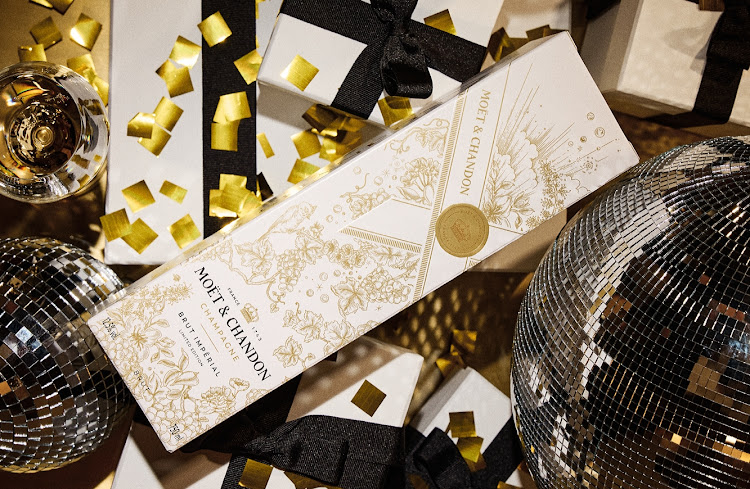
Let’s be real. We’ve all seen it. That guy in a Golf R revving his engine outside the car wash. That girl who refuses to hike unless there’s a 5-star spa at the end. The influencer who only drinks Moët but still lives at home. The person who throws shade at FlySafair because “British Airways is more comfortable.” These aren’t signs of wealth. These are symptoms of something else — poverty trauma.
In South Africa, the obsession with soft life and luxury is not always about taste. It’s often about survival. About rewriting a story you were born into but never chose. People who grew up poor are not just escaping a financial condition — they’re escaping the shame that came with it. The cold stares at school for wearing worn-out shoes. The silence when the class was asked to bring R5 for civvies and you didn’t have it. The loudness of a growling stomach in a crowded room.
So what do many of us do once we get a little money? We try to erase the evidence.
Not Luxury, Just a Cry for “I Made It”
When you’ve had to walk kilometers to school, not because it’s cute cardio, but because there was no transport money — a car becomes a trophy, not a tool. And not just any car. It has to be a Golf GTI. Or better yet, a Golf R. It’s not about the performance; it’s about the perception.
Psychologists call it “conspicuous consumption” — buying things not because we need them, but because they show status. South African consumer culture is one of the loudest examples of this. From township streets to Sandton penthouses, the pressure to appear successful is crushing.
In many cases, those who grew up middle-class — stable homes, steady meals, family holidays to the coast — don’t feel this urgency. They may drink Savanna at groove, wear Mr Price jeans, and fly FlySafair. Not because they don’t have money, but because they don’t need to prove they have it.
But for someone who used to borrow school shoes from a cousin, Ice Tropez is not a drink — it’s therapy. It’s validation.
Social Media: The Pressure Cooker
Platforms like Instagram and TikTok have turned lifestyle into a competitive sport. It’s no longer about being comfortable — it’s about being seen to be comfortable. And in a country with one of the highest inequality rates in the world, that visibility becomes both a currency and a trap.
Now you’re not just buying luxury for yourself — you’re buying it for the timeline.
We’ve created an environment where if you’re not popping bottles or posing in Bali, you’re failing. Even if you’re doing well by all normal standards. It’s a game where no one really wins. Because no matter how much you spend, there’s always someone who will spend more. Poverty taught us that looking broke is dangerous, so we overspend to escape that association — even if it puts us right back in debt.
The Exclusive Delusion
Here’s the thing: real wealth doesn’t need to be loud. And often, it isn’t. People who grew up around money are typically more grounded in their spending. They know the value of financial literacy. They plan for rainy days. They might wear Zara, but their investments scream old money.
But poverty breeds urgency. An urgent need to show you’re okay. To belong. To be respected. So we chase “exclusive” — the club with a R5k minimum spend, the designer bag, the luxury hotel — not for the experience, but for what it says about us. It’s performative healing.
Healing the Wound
We need to start having honest conversations about how poverty shapes our emotional spending. We need to stop mocking people for “trying too hard” and start asking what they’re trying to escape. And we need to educate our youth on financial wellness, not just financial success.
There’s no shame in wanting nice things. But there’s danger in needing them to feel worthy.
Soft life is only truly soft when it’s rooted in peace, not pressure.
FOMO wants to hear from you. Do you think our obsession with luxury is rooted in trauma? Share your thoughts with us on our Facebook page FOMO or email us at lifestyle@fomo.co.za.
- Why Do Some Women Undress on Social Media? Freedom, Loneliness, or the Attention Economy?

- “Snip, Shame & Sense: Why Circumcision Still Shapes Masculinity — From the Mountains to the Modern Bedroom”

- Ditch New Year’s Resolutions, Umdala

- Would You Spend Time With Your Ex for the Sake of the Kids?

- Nuthouse Sundays Brings Big Laughs to Sasolburg’s The Nuthouse


