In kasi kitchens, taxi ranks and spaza shops across South Africa, a familiar voice echoes through the airwaves, your local community radio DJ spinning classics, announcing church events, or chatting about a new bursary opportunity. These voices are more than background noise. They’re lifelines.
For millions of South Africans, especially in townships and rural areas, community radio isn’t just important, it’s essential. But here’s the painful truth: while these stations carry the heartbeat of the people, they often operate in the shadows—underfunded, underappreciated and unseen.
Motseki Mabuya knows this story all too well. The founder of the Community Radio Awards and a proud product of community radio himself, Mabuya is on a mission to give these stations, and the unsung heroes behind the mic, the flowers they deserve.
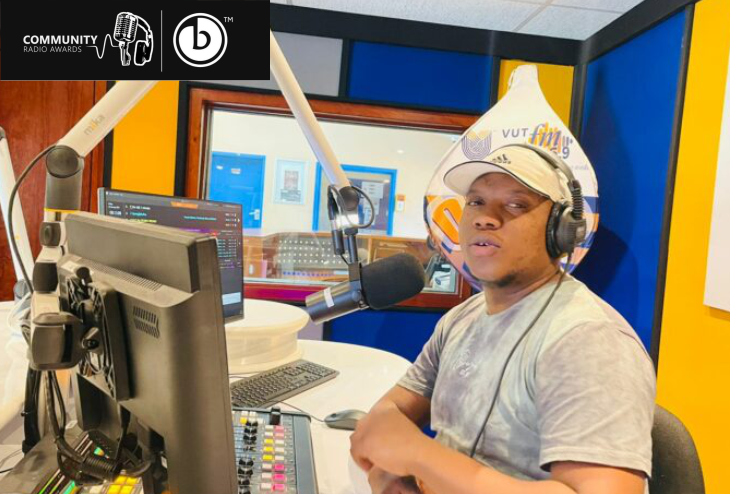
“I started out at Voice of Tembisa, then moved to VUT FM in the Vaal and later managed Hope FM,” he tells FOMO. “Everything I am today, started in community radio.”
Today, Mabuya is with the SABC’s Lesedi FM, but he hasn’t forgotten his roots. That’s why he’s launched the Community Radio Awards, a platform to spotlight the raw, unfiltered talent that community radio births every day.
More Than Just Shout-Outs
These awards aren’t about glitz. They’re about recognition, respect and resources.
“We’re putting together the School of Broadcasting Excellence, too,” says Mabuya. “Across all nine provinces, we want to equip young people, from aspiring presenters to station managers, with real skills. Not just on-air talent, but how to run a station properly, handle finances, even governance.”
It’s no secret that poor governance has haunted many community stations. A lack of financial transparency, outdated paperwork, or tax non-compliance often blocks them from receiving advertising money, especially from big brands or government departments.
“You can’t expect sponsors to take you seriously if your books don’t balance,” Mabuya says bluntly. “That’s why part of our mission is capacity building. It’s not just the DJs who need training, station managers and boards need it too.”
The Big Brand Problem
Community stations serve millions. So why aren’t advertisers pouring in?
Simple: bias and branding. Corporates would rather attach their logo to a campus radio station linked to a big university brand than take a chance on a humble kasi station, even though the kasi station likely has more reach and relevance in their target market.
“There’s an unfair assumption that campus radio is cleaner or more professional,” says Mabuya. “But talent is talent, and community radio proves that every day.”
Through the Community Radio Awards, Mabuya is even negotiating with the SABC to allow winners of the awards to job-shadow radio legends.
“Imagine someone from Botshabelo or Giyani spending two months at SAFM or Metro FM, learning how it’s done. Then taking that knowledge back to their station? That’s real empowerment.”
A Personal Mission
For Mabuya, this isn’t a side hustle. It’s personal.
“Community radio gave me a mic when no one else would. It’s how I found my voice. If we don’t invest in this space, we’re silencing millions.”
And he’s right. In a country where WiFi isn’t always guaranteed, and smartphones aren’t always smart enough, radio still reigns. It’s the uncle in the backyard, the auntie doing laundry, the school kid listening while doing homework. It’s real, it’s raw, it’s us.
So next time you skip past your local station or assume they don’t matter, think again. That voice you’re hearing? It could be the next Motseki Mabuya.
- Colours of Love Is Back: Parys Paints the Festive Season in Music, Unity and Pure Vibes

- Nuthouse Sundays Brings Big Laughs to Sasolburg’s The Nuthouse

- Tragedy in Jozi: Beloved DJ Warras Fatally Shot in Johannesburg CBD

- Masedi_ZA: Trap Ya Milano (TYM), The Vaal Story, and a Vision Bigger Than The Beat

- SABC 2 Almost Redeems Itself: Pimville Drops With an All-Star Cast and SA Is Ready!