


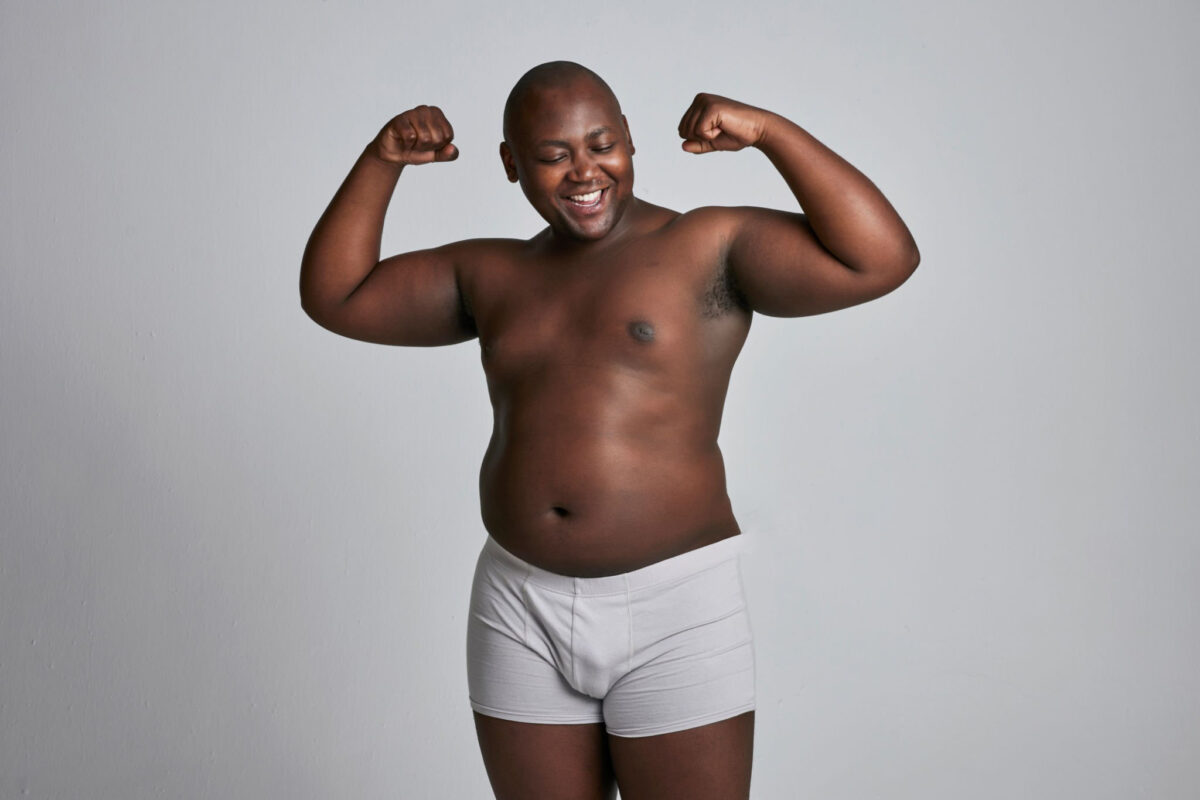
In the heart of South African townships, where the beat of amapiano meets the smoke of skopo roasting at the corner, size still speaks louder than words. Being chubby, especially as a man, has long been considered a badge of honour—proof that you’ve made it, that city life is treating you well, that you’re not just surviving, but living the soft life.
“When my son came back from Cape Town skinny, I was worried,” says Mama Keitu, a 65-year-old retired cleaner from Sebokeng. “I asked him, ‘Aren’t you eating? Is your wife not feeding you?’ Because in our culture, if you’re happy and comfortable, it must show on your body.”
In many townships across South Africa, weight gain has been normalised as a sign of success, stability and happiness. It’s not uncommon for returning city workers to be measured not by their words, but by their waistlines. “We don’t want to see your ribs, sware,” jokes Thabiso, a 32-year-old from Sharpeville. “If you come back looking like a toothpick, rona re tlo nahana hore tjo Jozi emo tshwere ka diwashene.”
But as the years roll by, the realities of weight gain, especially unhealthy gain, begin to creep in. And while the culture might celebrate a full figure, the body doesn’t always agree.
The Dangerous Side of “Looking Well”
Dr. Lerato Mohlala, a Johannesburg-based general practitioner, sees the consequences of this cultural norm almost daily.
“Most of my patients over 35 who come in for checkups are shocked to hear that they have high blood pressure or are pre-diabetic. Many of them don’t think of themselves as unhealthy because being big is normal in their communities,” she explains.
Weight gain becomes particularly risky as people age. The metabolism slows, the body stores fat differently, and the risk for diseases like Type 2 diabetes, high cholesterol, heart disease and even certain cancers increases significantly.
“The problem is not being chubby,” Dr. Mohlala clarifies. “The problem is how and why people are gaining weight. Living on fried chips, sugary drinks, fatty meats and alcohol every weekend might make you look ‘well’, but it’s also slowly killing you.”
The “Clever Black” Stigma
There’s a quiet tension between tradition and modern health knowledge. Those who choose to eat clean or exercise are often dismissed as “clever blacks”, seen as having abandoned their roots in favour of a suburban lifestyle that many still find unaffordable and distant.
Karabo, a 28-year-old bank teller who moved from Bophelong to Randburg, shares her experience: “When I started eating plant-based and running, my aunts said I was becoming white. But when my cousin had a stroke at 40, they all started asking me for recipes and gym tips.”
There’s a subtle shift happening, though. Slowly, conversations are turning. Especially among younger generations, wellness is starting to become aspirational.
Healthy Weight, Not Just More Weight
Not all weight gain is bad. In fact, for some people, putting on a few kilos in a healthy way can be beneficial, especially after recovering from an illness or for naturally slender individuals. But the focus should always be on quality, not just quantity.
“It’s not about being skinny or fat,” says personal trainer Tumi Dlamini from Evaton. “It’s about body composition. You can be thick and healthy. You can be slim and unfit. It’s about balance, muscle, good fats, energy levels and overall wellbeing.”
Dlamini suggests:
Eating balanced meals rich in vegetables, lean proteins, and whole grains.
Reducing processed sugar and deep-fried foods.
Moving more—walking, dancing, stretching.
Getting regular medical checkups after 30.
Culture vs. Health: Can We Find a Middle Ground?
The truth is, our culture isn’t the enemy. Food, celebration, and body image are all part of who we are. But it’s the extremes—and the silence around health risks—that need to be addressed.
“Let’s still enjoy our skopo and tlhakwana,” says Nkele, a 40-year-old mother of three from Vaalpark. “But maybe not every day. And let’s start talking about health the same way we talk about money and love.”
As South Africans, we wear our pride in our food, our families and our traditions. But perhaps the greatest flex in this season of life is living long enough, and well enough to enjoy it all.
Because in the end, it’s not just about looking like you’re living well, it’s about actually living well.
- Why Do Some Women Undress on Social Media? Freedom, Loneliness, or the Attention Economy?

- “Snip, Shame & Sense: Why Circumcision Still Shapes Masculinity — From the Mountains to the Modern Bedroom”

- Ditch New Year’s Resolutions, Umdala
- Would You Spend Time With Your Ex for the Sake of the Kids?

- Nuthouse Sundays Brings Big Laughs to Sasolburg’s The Nuthouse


