In the heart of South Africa’s townships lies a resilient and thriving economy that has withstood the test of time—one that dates back to the 1970s when apartheid restrictions created barriers between black communities and the formal economy. While townships were segregated and black South Africans were excluded from white-dominated cities and towns, they found creative ways to survive, establish businesses, and cater to their own needs. This informal economy, rooted in selling basic goods like mealie meal (corn), bananas, apples, and sugarcane, continues to serve as the backbone of township life today.
The Origins of the Township Economy
Back in the 1970s, apartheid laws severely restricted the movement and rights of black South Africans. With limited access to city centres and formal retail outlets, black communities in townships were forced to be resourceful. Whenever township residents were allowed to enter the cities—usually for specific purposes like shopping—they would buy goods in bulk and sell them within their communities. These goods, often everyday staples like mealie meal, bread, and fruit, became a vital part of the township economy.
The practice of selling goods amongst themselves created a sense of solidarity, self-sufficiency, and resilience. It was more than just commerce—it was a way for people to take control of their financial futures and support one another in a world that offered them few opportunities.
The Role of Tuckshops and Spaza Shops
The most enduring symbol of the township economy is the tuckshop (also known as a spaza shop). These small, often family-run shops, operate in homes or street corners, selling everything from snacks and groceries to household items. Tuckshops are ubiquitous in South African townships, and they serve a vital function in the everyday life of their communities. For many, these shops are the first point of contact for basic needs and the only places within walking distance to buy necessities.
Tuckshops have been the beating heart of township trade for decades, providing goods that are affordable and convenient, particularly for those living in areas with limited access to large supermarkets or shopping malls. In addition to the essential items, tuckshops also offer a wide range of products that reflect the local culture, such as traditional foods, spices, and local delicacies. For township dwellers, these shops are often seen as an extension of the community, offering a space where people can connect, share news, and form strong bonds.
The Rise of Street Vendors
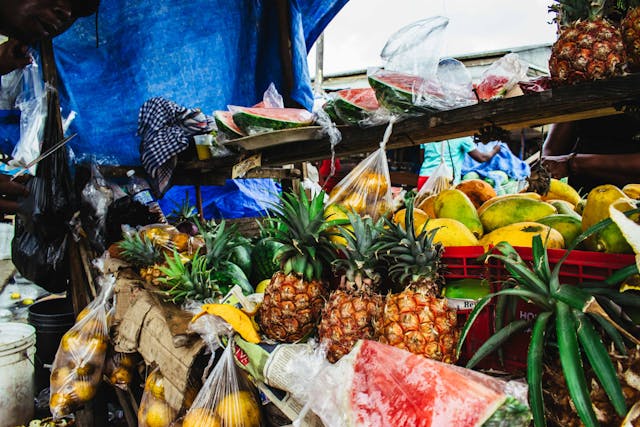
In addition to tuckshops, street vendors have long been a part of township life. From roadside stalls selling fresh fruit and vegetables to the ever-popular sugarcane vendors, these small businesses provide affordable, daily essentials and often function as a social lifeline for township residents. Many street vendors sell fresh, locally grown produce that is not only affordable but also represents an important connection to the land and agricultural heritage of South Africa.
The street vendor economy, like the tuckshops, has proven to be incredibly resilient. These vendors often adapt quickly to meet the needs of the community, offering convenience and affordability to those who rely on these vendors for their daily needs. As more township residents gain access to technology and social media, these vendors have also found innovative ways to expand their reach, offering delivery services and even marketing their products online.
The Continuing Importance of the Township Economy
Despite the challenges faced by the township economy—such as limited access to capital, infrastructure challenges, and competition from large retail chains—township businesses remain an essential part of the social and economic fabric of South Africa. For millions of underprivileged black South Africans, these small businesses are more than just places to buy food; they are a vital means of survival and empowerment.
In a country where unemployment rates remain high, the informal economy provides countless jobs and opportunities for self-employment. From the small shop owner to the street vendor, many township residents rely on these enterprises to support their families and contribute to the local economy. Moreover, township businesses often support each other, creating a network of mutual aid and cooperation that strengthens the community as a whole.
Reviving and Supporting the Township Economy
While the informal economy has evolved over the years, it remains a lifeline for many in townships. As South Africa continues to navigate the challenges of economic inequality and unemployment, it is essential to recognise the importance of these businesses and their role in community development.
There is an urgent need to support and revitalise township enterprises, ensuring they have access to resources, funding, and networks that can help them grow. By supporting small businesses and encouraging entrepreneurship in the townships, South Africa can tap into the untapped potential of this thriving economy.
Reviving the township economy means acknowledging the hard work and ingenuity that has been part of township life for decades. It’s about recognising the role of tuckshops, spaza shops, and street vendors in building a strong, self-sustaining economy that empowers those who need it the most.
In the end, the township economy is not just about selling mealie meal or bananas—it’s about community, resilience, and the determination to thrive in the face of adversity. It’s time we give credit where it’s due and help nurture these small businesses, ensuring they continue to be a key part of South Africa’s economic future.